
What "Home Away From Home"Should Actually Feel Like
"Home away from home."
It's the most overused phrase in the vacation rental industry. Every listing claims it.
Every host promises it. The words appear so frequently they've lost almost all meaning — filed somewhere between "cozy" and "centrally located" in the glossary of things that sound good and deliver nothing.
But the phrase isn't the problem. The concept is exactly right.
The best version of travel doesn't feel like displacement. It feels like relocation — a temporary shift into a space that functions the way your life functions, just in a better setting. A space where you don't have to adapt, adjust, or lower your standards.
That's what "home away from home" actually means. And it's far harder to deliver than most people realize.
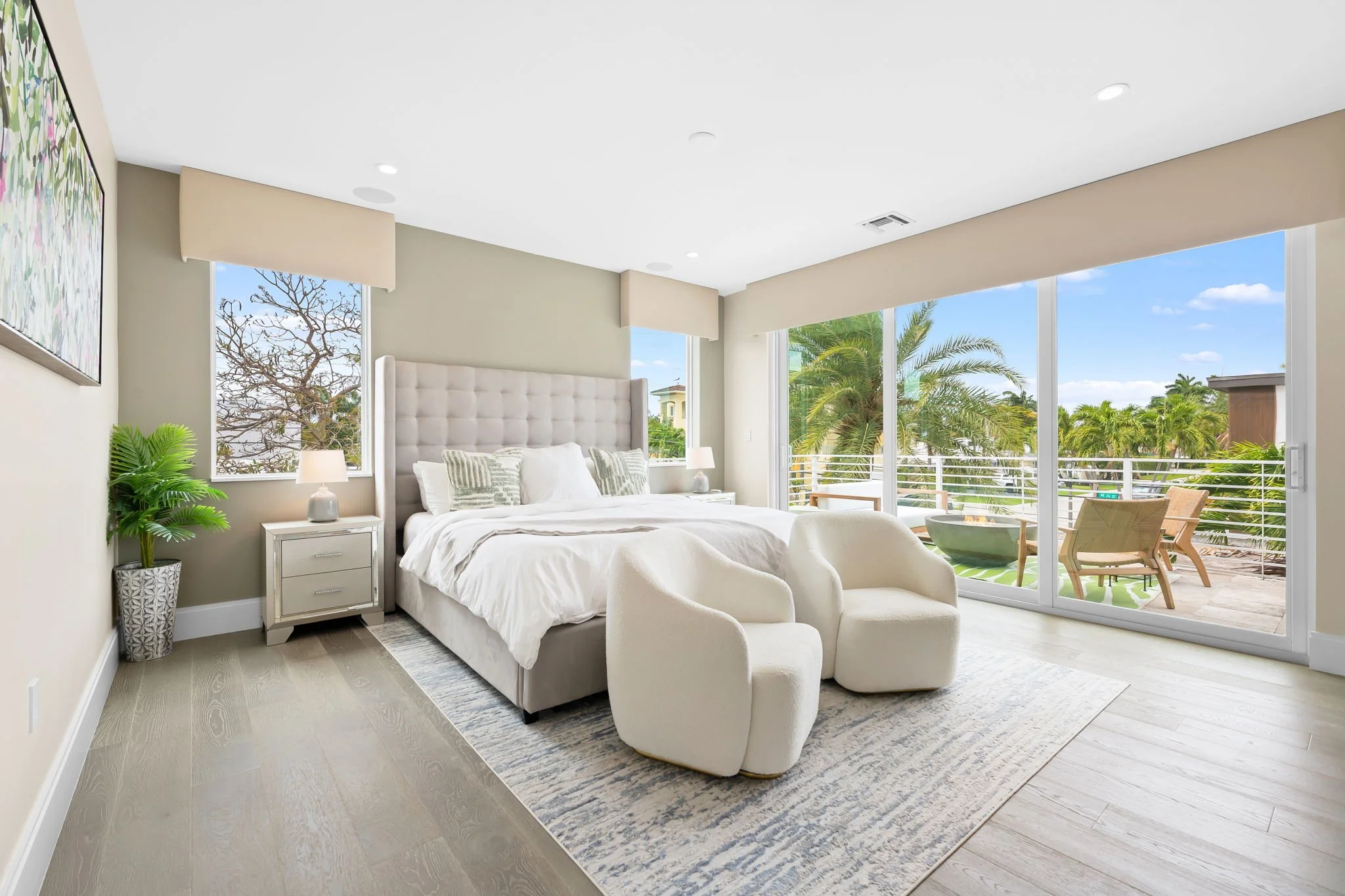
Where Most Rentals Break the Promise
The gap between marketing and experience in the vacation rental industry is enormous.
A listing says "fully equipped kitchen." You arrive to find a dull knife, a warped pan, and a coffee maker from 2011.
A listing says "luxury linens." The sheets are stiff. The pillows are flat. The towels have been washed so many times they've lost the ability to absorb water.
A listing says "designer interior." The furniture is staged. It photographs well, but nothing in the room was chosen for comfort. The couch is decorative. The dining chairs are too low for the table. The lighting is either too harsh or too dim, and there's no switch that fixes it.
None of these are disasters. But collectively, they create a feeling — a persistent, low- grade awareness that this place is not quite right. That it was designed to be looked at, not lived in.
And that feeling is the opposite of home.
The Details That Actually Matter
Home doesn't feel like home because of square footage or location or the brand of the appliances. It feels like home because of coherence — the sense that every element in the space was considered together, and that the person who made the decisions was thinking about how someone would actually live there.
A drawer that slides smoothly. A shower with real water pressure. Lighting that can be dimmed. A mattress that supports your body the way a good mattress should.
Glasses that feel right in your hand. Knives that cut. A coffee setup that doesn't require a manual or a prayer.
A thermostat that responds. Closet space that doesn't require a suitcase to stay open.
Outlets near the bed. Blackout curtains that actually block light. These aren't luxuries. They're the fundamentals of a well-functioning home. And the reason most vacation rentals feel like vacation rentals — instead of homes — is that these fundamentals are the first things to be cut, overlooked, or cheapened.
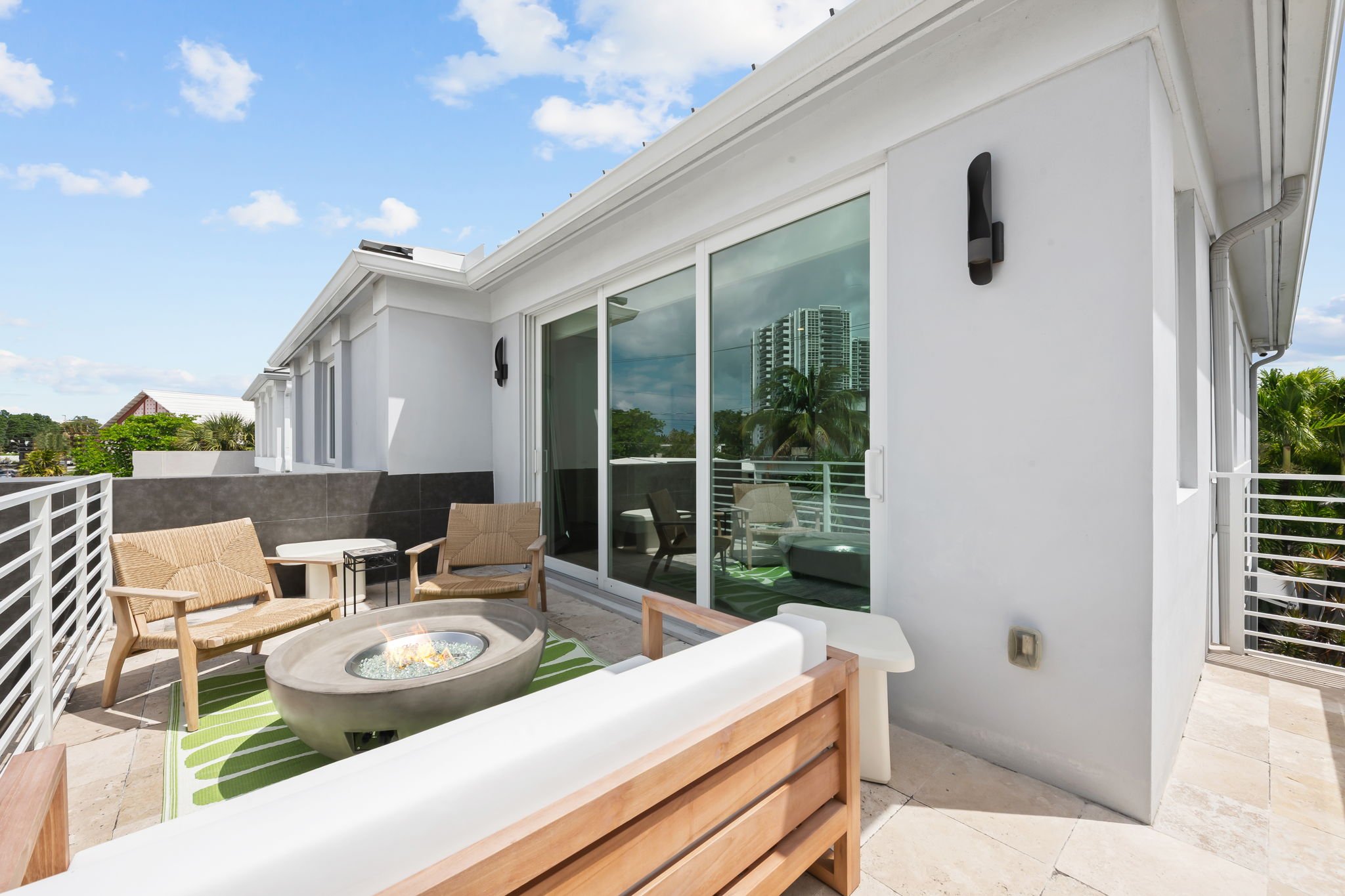
Design That Serves the Guest, Not the Camera
There's a divergence in the rental industry between properties designed for photography and properties designed for living.
Photography-first properties optimize for the listing. They choose furniture that looks best from a wide-angle lens. They favor open surfaces, bold accents, and statement pieces that pop on a screen.
Living-first properties optimize for the stay. They choose furniture that invites you to sit down and stay. They favor textures that feel good, layouts that make sense, and details that reward presence rather than scrolling.
The distinction matters more than most travelers realize. Because the space you chose based on how it looked in twelve photos is the space you'll live in for days. And living in a room designed for a camera is a quietly exhausting experience — everything is beautiful, and nothing is comfortable.
Paragon properties are designed for living. The aesthetic is intentional, considered, and genuinely beautiful — but every decision is grounded in function. The question isn't "does this look good?" It's "does this feel right when someone sits in it, cooks in it, wakes up in it?"
The Emotional Arithmetic of a Great Stay
There's a calculation that happens in every stay, mostly below the level of conscious thought.
Every small friction — a confusing lock, a missing amenity, a response that takes too long — subtracts something. Not much. A tiny amount of ease. A small deduction from the feeling of being taken care of.
And every small delight — a perfectly made bed, a thoughtfully stocked pantry, a note that anticipated exactly what you needed — adds something. Again, not much on its own. But it accumulates.
By the end of the trip, the sum of those micro-moments determines how the stay felt.
Not what happened during the stay — how it felt. Whether you leave thinking "that was nice" or "I don't want to go."
Most properties operate at zero — functional enough to avoid complaint, but not thoughtful enough to create attachment. They're forgettable. Adequate. The properties that earn loyalty — the ones guests return to, recommend, and talk about — are the ones where every detail was on the right side of that equation.
There's a calculation that happens in every stay, mostly below the level of conscious thought.
Every small friction — a confusing lock, a missing amenity, a response that takes too long — subtracts something. Not much. A tiny amount of ease. A small deduction from the feeling of being taken care of.
And every small delight — a perfectly made bed, a thoughtfully stocked pantry, a note that anticipated exactly what you needed — adds something. Again, not much on its own. But it accumulates.
By the end of the trip, the sum of those micro-moments determines how the stay felt.
Not what happened during the stay — how it felt. Whether you leave thinking "that was nice" or "I don't want to go."
Most properties operate at zero — functional enough to avoid complaint, but not thoughtful enough to create attachment. They're forgettable. Adequate.
The properties that earn loyalty — the ones guests return to, recommend, and talk about — are the ones where every detail was on the right side of that equation.
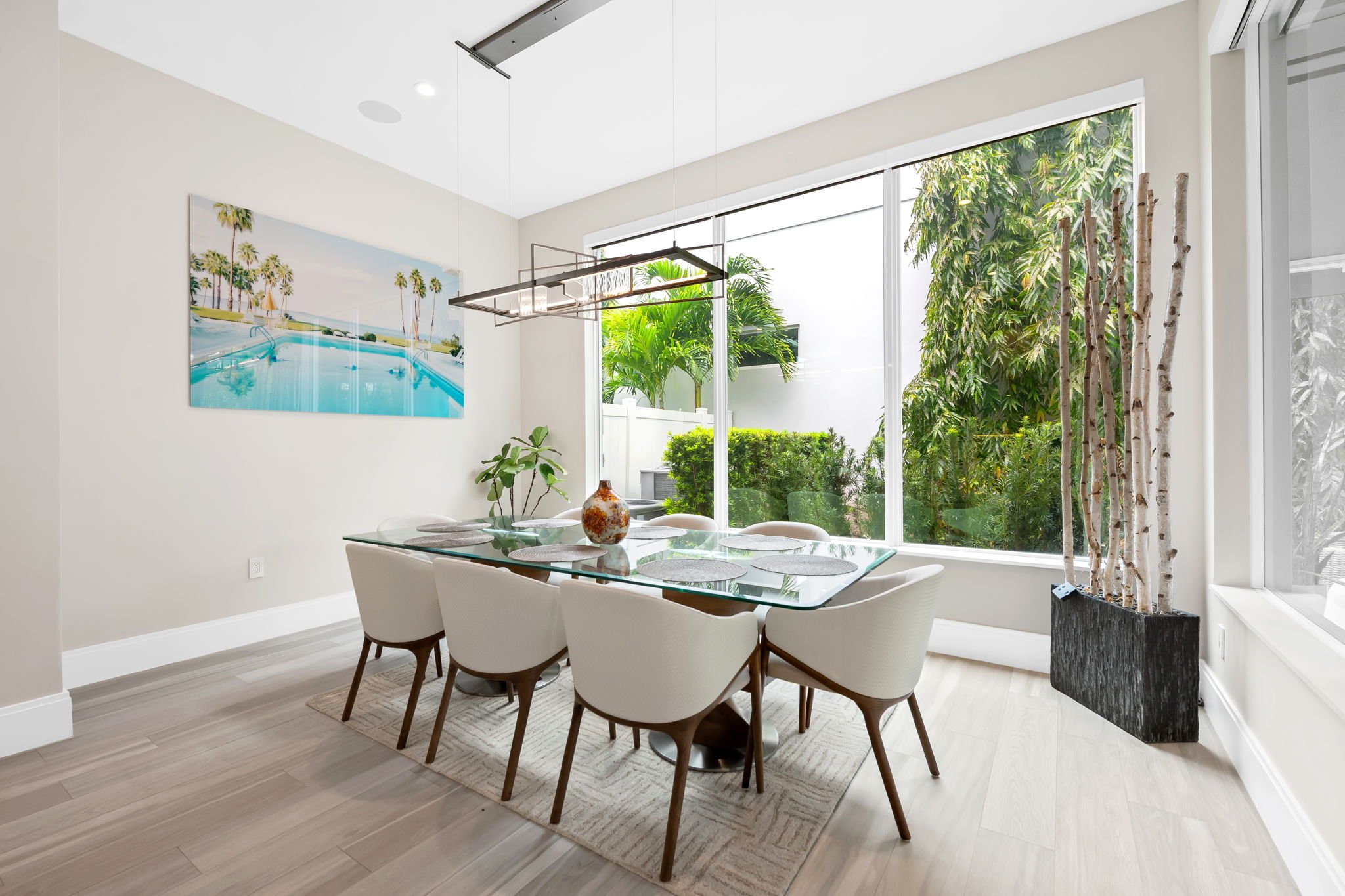
Home Isn't a Marketing Line. It's a Standard.
At Paragon, "home away from home" isn't a tagline. It's an operational standard — one that governs everything from how properties are selected to how they're furnished to how they're maintained between stays.
Every home in the portfolio is evaluated against a simple question: would you want to live here?
Not visit. Not tolerate. Live.
Would you want to sleep in this bed every night? Would you enjoy cooking in this kitchen? Would you feel calm in this living room? Would you wake up here and feel like the space understands how you move through a day?
If the answer is anything less than yes — unqualified, immediate yes — the property isn't ready.
That's a high bar. It's meant to be.
Because "home away from home" is either real or it's nothing. And the only way to make it real is to build every detail around the person who will live inside it.
Explore Paragon Luxury Stays and discover what it actually feels like when a vacation rental keeps the promise that every listing makes — and almost none deliver.
