
Beyond the Listing Photos: What LuxuryActually Looks Like When You WalkThrough the Door
There's a moment every traveler knows.
You've pulled into the driveway. You've found the lockbox or entered the code. The door opens. And for the next sixty seconds — before you've set anything down, before you've checked the rooms or found the WiFi password — you're forming an impression that will shape the entire stay.
It's not a conscious evaluation. It's faster than that.
Your body registers the temperature. Your nose registers the scent — clean, stale, chemical, or something you can't quite name. Your eyes sweep the space and measure it against the version you've been holding in your mind since you booked.
That version came from photos. Beautiful, carefully composed, professionally lit photos.
And in that moment, one of two things happens: the space meets the promise, and you exhale. Or it doesn't — and something shifts. Not anger, necessarily. Just a quiet recalibration of expectations. A small tightening. The beginning of a stay you'll spend adjusting to rather than enjoying.
That moment is where trust is built. Or broken.
The Promise That Photos Create
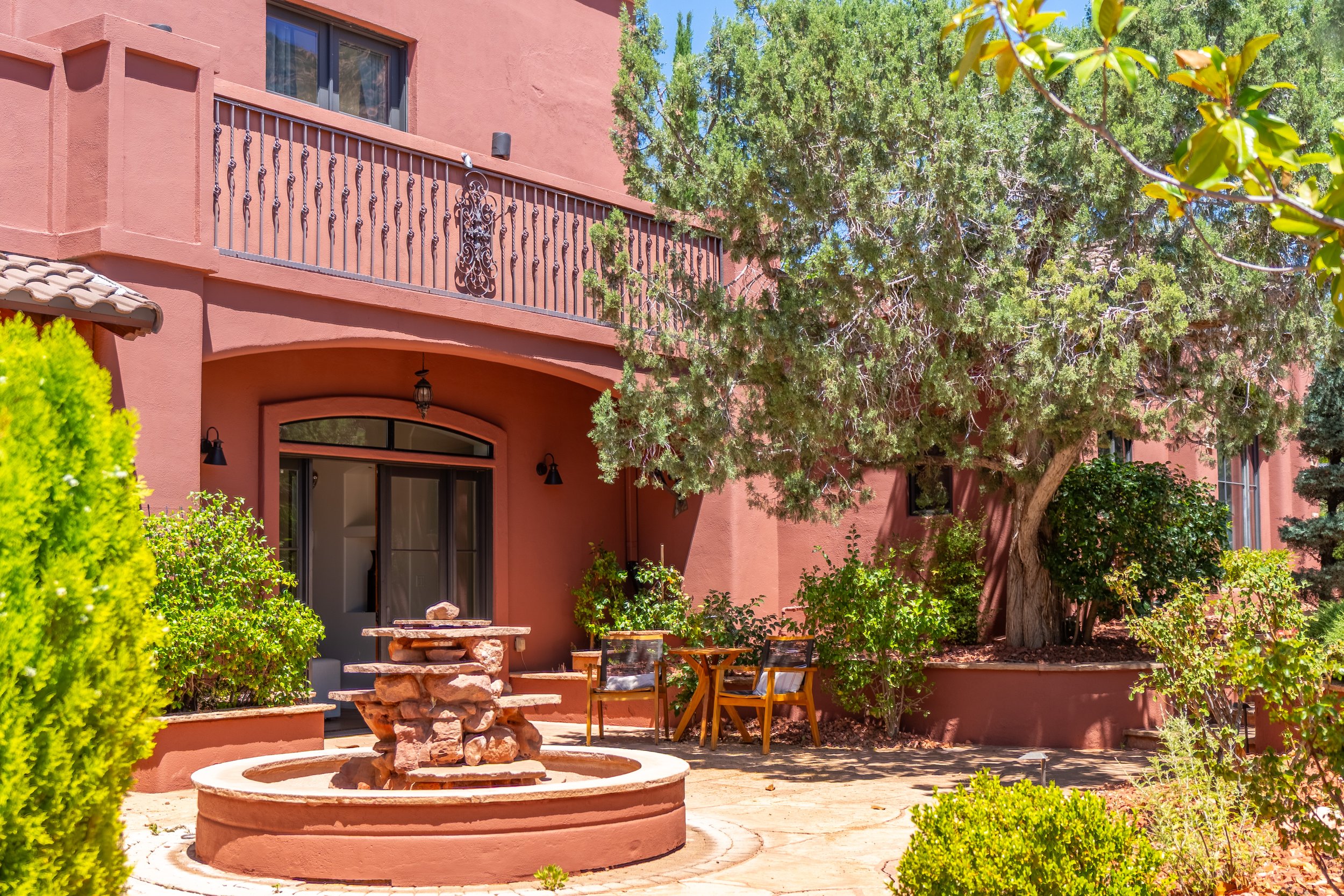
Listing photos are powerful. They're designed to be.
A wide-angle lens captures a living room in its most expansive form. The camera is positioned low, the curtains are open, the light is at its best. Every surface has been cleared. Every pillow has been placed. The result is a space that looks larger, brighter, and more inviting than any single moment of daily use.
This isn't dishonesty. It's marketing. And it's the standard across the entire vacation rental industry.
But marketing creates expectations. And expectations, once formed, are difficult to revise — especially when they're tied to a trip you've been planning for weeks.
The guest doesn't arrive neutral. They arrive with a specific image in their mind. A feeling they've already begun to anticipate. A standard the space needs to meet before the first bag hits the floor.
That's an enormous amount of pressure to place on a moment. And most properties aren't designed to hold it.
The Gap: What Photos Hide
Thirty percent of vacation rental guests report that the property was not as advertised.
Not dramatically different. Not fraudulent. Just — off.
Wide-angle distortion is the most common culprit. Rooms that looked spacious feel smaller in person. A kitchen that seemed open feels narrow. A pool that dominated the listing occupies a modest corner of the yard.
Then there's timing. Photos are taken once — usually when the property is new or recently renovated. But properties age. Furniture wears. Paint fades. The listing stays the same while the home quietly changes.
Staging creates its own gap. A home photographed with fresh flowers, artful throws, and curated coffee table books may arrive bare — or worse, with the same props still there, now dusty and dated.
And lighting does more work than most guests realize. A room shot in golden afternoon light feels warm and inviting. The same room under overcast skies or at night can feel entirely different — colder, smaller, less alive.
None of these gaps are intentional deceptions. But they accumulate. And when a guest walks in carrying a photo-perfect expectation, even small discrepancies register as disappointment.
What Guests Actually Notice in the First 60 Seconds
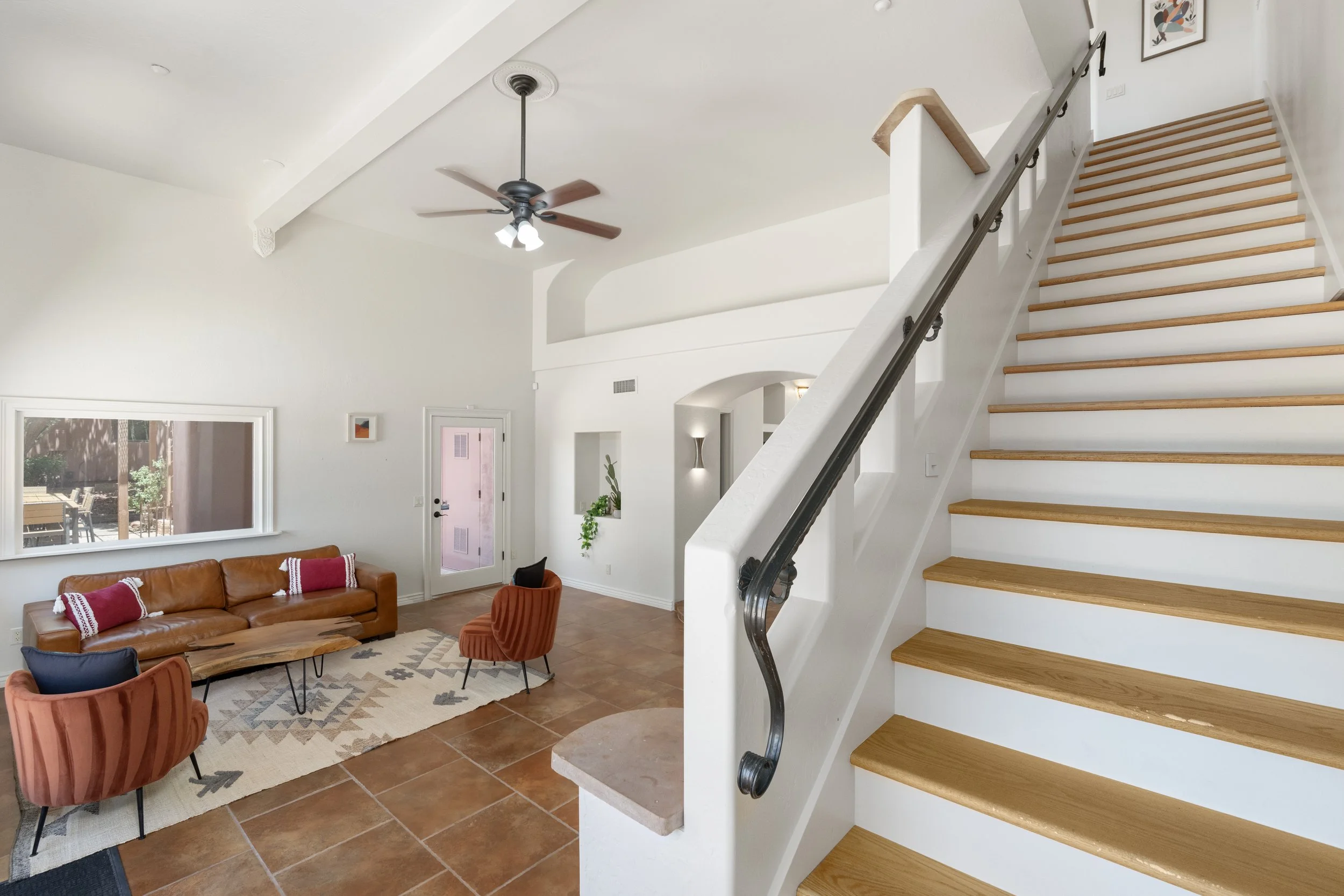
The conscious mind evaluates rooms, features, views.
The body evaluates something else entirely.
Scent is first. A home that smells truly clean — not masked with fragrance, not layered with air freshener, but genuinely, neutrally clean — signals care. A home that smells stale, chemical, or faintly of the last guest signals the opposite. This registers before you've taken three steps inside.
Temperature is next. A home that's already at a comfortable temperature when you arrive says someone was here recently, thinking about your comfort before you arrived. A home that's stuffy, too hot, or too cold says no one has been here in a while — and you feel it immediately.
Then light. How the space feels when you look around — whether it's naturally bright or artificially dim, whether the windows are clean, whether the room carries energy or feels flat.
Then cleanliness. Not just the visible kind — the countertop wiped, the floor swept — but the kind you find when you look closer. The baseboards. The inside of the microwave. The corners of the shower. These details don't lie.
And finally, the subtlest one: whether the space feels cared for. Not just cleaned, but maintained. Loved, even. A space where someone took the time to make sure everything works, everything is in its place, everything is ready.
That feeling — that the home was prepared for you specifically, not just turned over from the last guest — is what separates a stay that starts well from one that starts with compromise.
The Markers of Real Quality
Real quality is quiet. It doesn't announce itself. You discover it.
Linens that feel fresh — not just laundered, but genuinely crisp. The kind of sheets that make you pause when you pull back the bed.
A kitchen stocked with the essentials that a real person would need — not a decorative set of mismatched mugs, but actual glassware, sharp knives, proper pans, a cutting board that doesn't slide.
Appliances that work flawlessly. Not the coffeemaker with the broken button. Not the oven that takes twenty minutes to preheat. Not the WiFi that drops every hour.
The systems that a guest shouldn't have to think about — working silently, consistently, in the background.
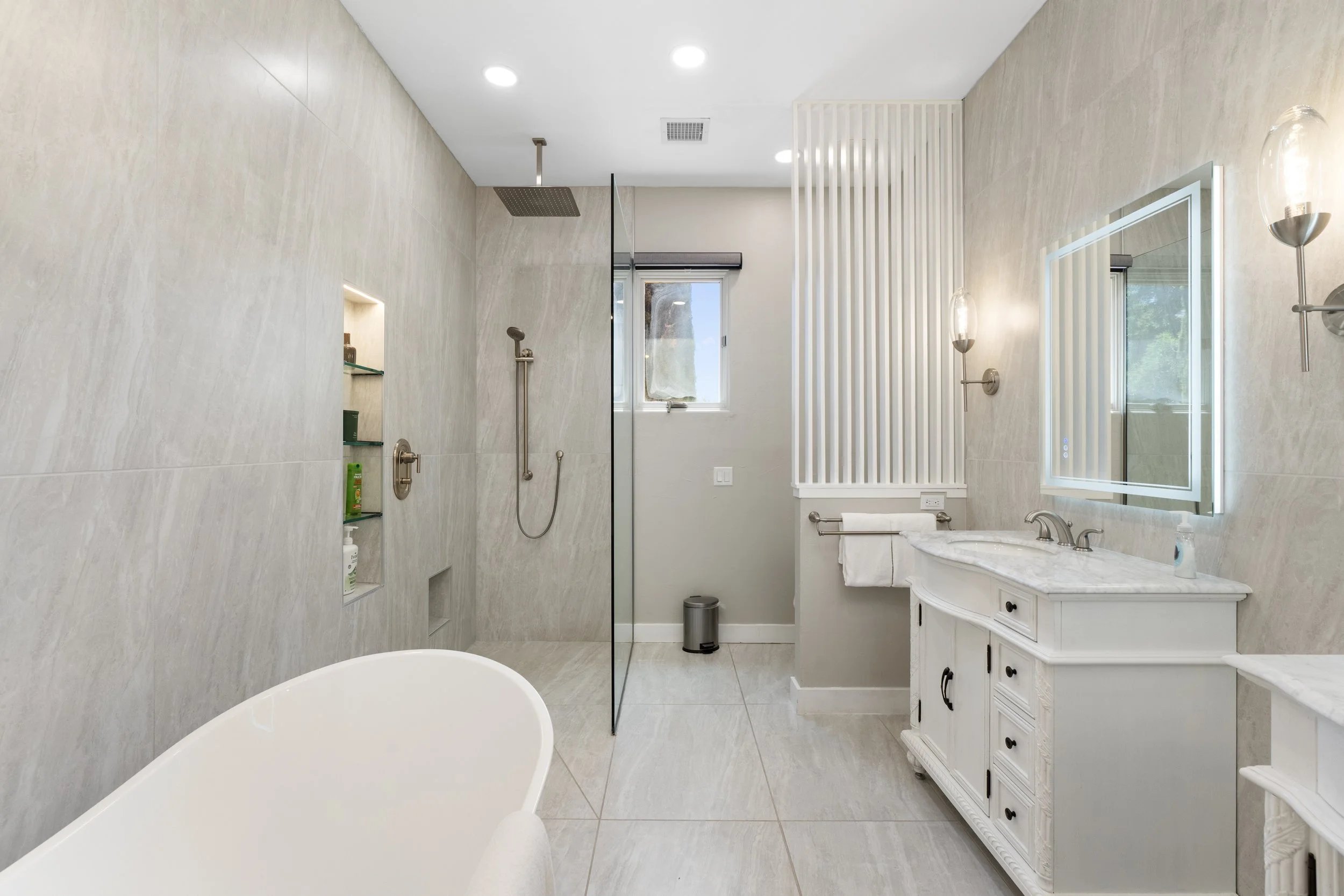
Towels with weight. Soap that isn't a miniature. A shower with real pressure. A mattress that supports sleep, not just a night.
These are not glamorous features. They are the infrastructure of comfort. And when they're all in place — consistently, reliably, in every room — the guest doesn't catalog them individually. They just feel that the home is good. That it works. That someone cares.
Why Consistency Matters More Than Spectacle
A single impressive feature can't save an inconsistent home.
A stunning kitchen means little if the master bathroom hasn't been maintained. A beautiful pool loses its appeal if the pool furniture is cracked and faded. A living room with designer furniture falls flat when the guest bedroom feels like an
afterthought.
Luxury isn't a highlight reel. It's a standard — applied evenly, across every room, every surface, every detail.
Consistency is what allows a guest to trust the entire space, not just the parts that were prioritized. It's what allows them to open any drawer, check any corner, walk into any bedroom, and feel the same level of care.
And consistency is rare. It requires maintenance schedules, not just cleaning rosters. It requires someone who walks through the home between every guest with the same critical eye the guest will bring. It requires a standard that doesn't flex based on season, occupancy, or convenience.
When a home is consistent, the guest stops inspecting and starts relaxing. That shift is worth more than any single amenity.
How Professional Management Bridges the Gap
The gap between listing and reality exists because most vacation rentals lack systems.
An individual host, managing one or several properties, may start with high standards. But over time — without structured inspections, maintenance protocols, and accountability — the standard drifts. Small things slip. The property ages faster than the listing.
Professional management exists to prevent that drift.
It means a dedicated team inspects the home between every guest — not just cleaning, but verifying. Every appliance tested. Every surface checked. Every consumable restocked. Every room walked with the understanding that the next guest is arriving with expectations, and those expectations must be met.
It means photos are updated when the home changes. Descriptions are revised when amenities are added or adjusted. Pricing is transparent and current.
And it means that when something does fall short — because no system is immune to the unexpected — there is a team with the authority and the proximity to resolve it immediately. Not through a platform. Not through a queue. Directly.
The Stay Should Exceed the Listing
At Paragon Luxury Stays, the standard isn't to match the photos. It's to surpass them.
Every home in the collection is maintained with the understanding that the listing is a promise — and the arrival is where that promise is either honored or broken.
Homes are inspected, not just cleaned. Photos are current, not aspirational.
Descriptions are honest, not inflated. And the experience of walking through the door is designed to feel better than the experience of scrolling through the listing.
Because the first sixty seconds shouldn't require adjustment. They should confirm what you already hoped: that this is the right place. That the trip is going to be exactly what you planned. That someone made sure of it before you arrived.
That's not a luxury feature. That's the minimum a guest deserves when they've trusted their trip to someone else's property.
And at Paragon, it's where the standard begins — not where it ends.
Explore Paragon Luxury Stays — where the stay exceeds the listing, every time.