
The Hidden Cost of a DisappointingVacation Rental — And How to KnowBefore You Book

You've been planning this trip for months.
Maybe longer. The dates were hard to coordinate. The group chat went back and forth for weeks. The budget was discussed, the destination was debated, and somewhere along the way, the trip stopped being just a trip. It became the thing you were looking forward to — the break you were counting on.
And then you arrive.
The house doesn't quite match the photos. Something feels off — the cleanliness, the smell, the general condition of the space. A message to the host goes unanswered. A feature that was promised is missing or broken. The neighborhood is louder than expected. The pool isn't as private as it looked.
None of it is catastrophic. But none of it is what you imagined, either.
And that gap — between what you expected and what you got — doesn't just affect the stay. It affects the entire trip.
The Real Cost Isn't Money
When a vacation rental disappoints, the financial loss is usually small. A cleaning fee that wasn't worth it. A refund you may or may not receive. An upgrade you paid for that didn't deliver.
But the real cost is something money can't replace.
It's time. The hours spent troubleshooting instead of relaxing. The morning lost to back-and-forth messages with a host. The mental energy redirected from enjoying the trip to managing the stay.
It's emotional investment. This wasn't a random Tuesday night — it was the vacation you'd been thinking about for months. The one you built around a birthday, a reunion, an anniversary. The one your kids were excited about.
And it's trust. Once a stay goes wrong, the next booking carries a small weight of anxiety that wasn't there before. You check the reviews more carefully. You zoom in on every photo. You prepare yourself for the possibility that it might happen again.
That erosion of trust is the most expensive thing a bad rental costs you. Because it changes how you travel going forward.
What Goes Wrong — And How Often
The data tells a clear story.
In recent surveys of vacation rental guests, more than half — fifty-two percent — reported that their trip was disrupted in some way by issues with the property.
The most common breakdowns:
Cleanliness was cited by forty-five percent of guests. Not catastrophic filth, usually — but enough to notice. Hair in the bathroom. Dust on surfaces. A kitchen that looked clean in the listing but felt different in person.
Maintenance issues affected thirty-one percent. A broken appliance. A door that doesn't lock properly. An air conditioning system that doesn't cool the way it should. Small things individually, but together they create a pattern of neglect.
Misleading listings accounted for thirty percent of complaints. The pool was smaller than it looked. The "ocean view" was a sliver between buildings. The "luxury" label was applied to a space that didn't earn it.
And hidden fees surprised twenty-four percent of guests. Charges that appeared after booking. Cleaning fees that rivaled a hotel stay. Damage deposits that felt punitive.
These aren't rare experiences. They're common ones. And they exist because the vacation rental industry has grown faster than its standards.
Why Photos and Reviews Don't Always Tell the Full Story
Most travelers rely on two things when choosing a rental: photos and reviews.
Both can be misleading — not necessarily through dishonesty, but through limitation.
Photos capture a moment in time. They're taken when the property looks its best — staged, lit, angled to maximize space. They show what the home can look like. They don't always show what it looks like when you arrive.
Wide-angle lenses make rooms feel larger. Selective framing hides what's just outside the shot. Professional photography creates an emotional response that the space itself may not match.
Reviews help, but they carry their own distortions. Guests who had a fine experience often don't leave one. Guests who had an exceptional or terrible one usually do. The result is a distribution that skews toward extremes — and a middle ground that goes undocumented.
A property with four and a half stars might be excellent. It might also be average with a few generous reviews. Without deeper information, it's hard to know.
And for a trip that matters — one you've planned around, one you're sharing with people you care about — "hard to know" is an uncomfortable place to start.
What to Look for Before You Book
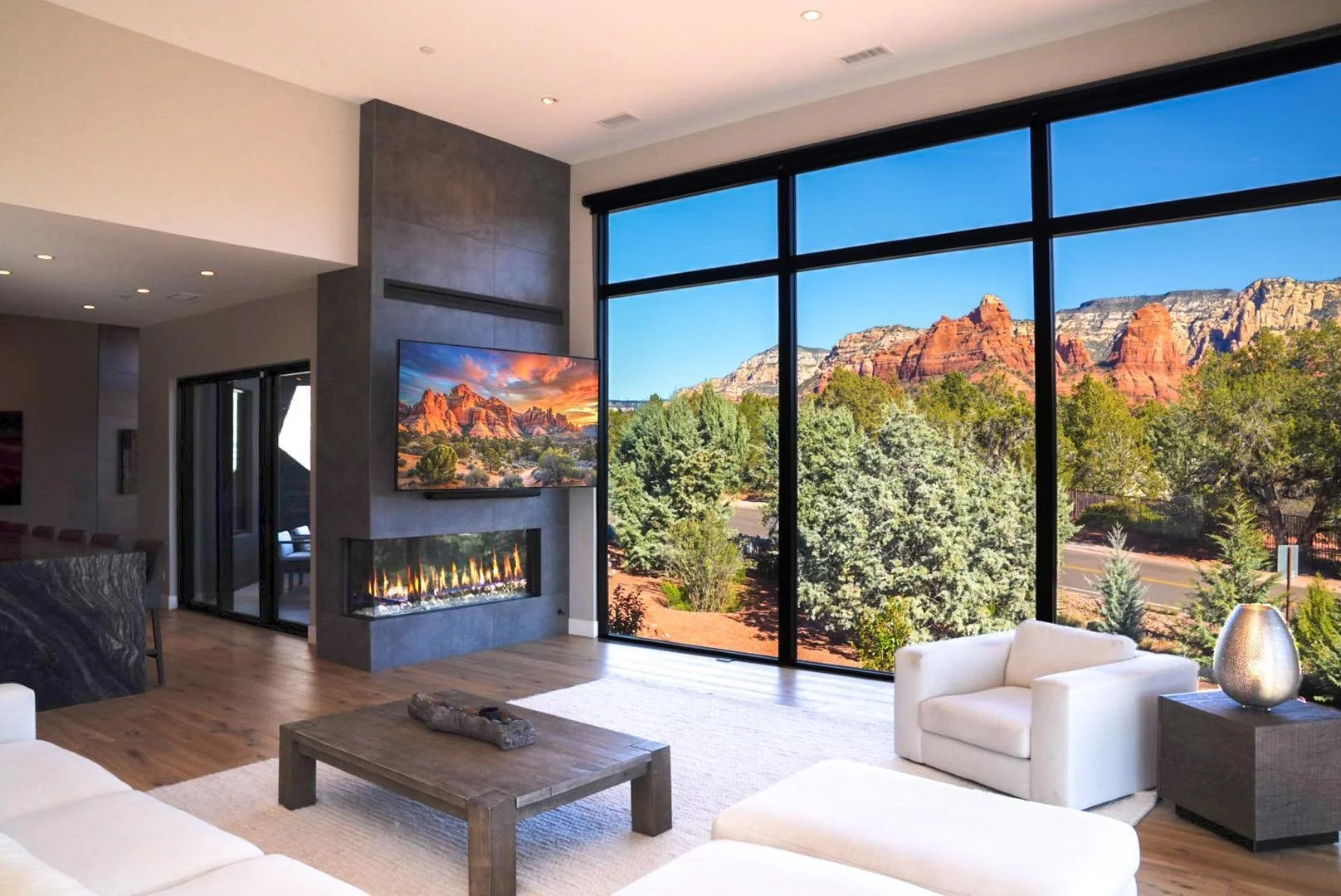
There are signals that separate a quality stay from a risky one. They're not always obvious, but they're consistent.
Transparent pricing is the first. The total cost should be clear before you commit — no fees that appear after the fact, no ambiguity about what's included. If a property makes it difficult to understand what you're paying, that difficulty rarely improves after check-in.
Responsive communication before booking is the second. How a host or management company responds to a pre-booking question is one of the most reliable indicators of how they'll respond when something comes up during your stay. Slow replies, vague answers, and automated deflections are not neutral — they're signals.
Clear, honest descriptions matter more than beautiful ones. A listing that tells you exactly what to expect — including limitations — is more trustworthy than one that paints everything in superlatives. Honesty before booking builds confidence during the stay.
And professional management is worth looking for. Properties managed by a dedicated team — rather than a single owner with dozens of listings — tend to be maintained more consistently, supported more reliably, and held to higher standards between guests.
The Difference Between a Marketplace Listing and a Hospitality-Led Stay
This is the distinction most travelers don't make — but it's the one that matters most.
A marketplace listing is a transaction. You find a property. You pay for it. You arrive. What happens after that depends on the individual host, their availability, their standards, and their willingness to respond when something isn't right.
A hospitality-led stay is a relationship. The property is part of a curated collection, maintained to a consistent standard, supported by a team that is accountable before, during, and after your stay.
The difference shows in the details:
Hospitality-led stays are inspected between guests — not just cleaned, but checked. Every system tested. Every surface reviewed. Every amenity confirmed.
Communication is proactive, not reactive. You're not chasing answers — they arrive before the questions.
And when something does go wrong — because nothing is immune to the unexpected — resolution is immediate. Not a back and-forth through a platform.
Not a request that disappears into a queue. A direct, human response with the authority to fix it.
That difference doesn't show up in a listing photo. But it shows up the moment you need it.
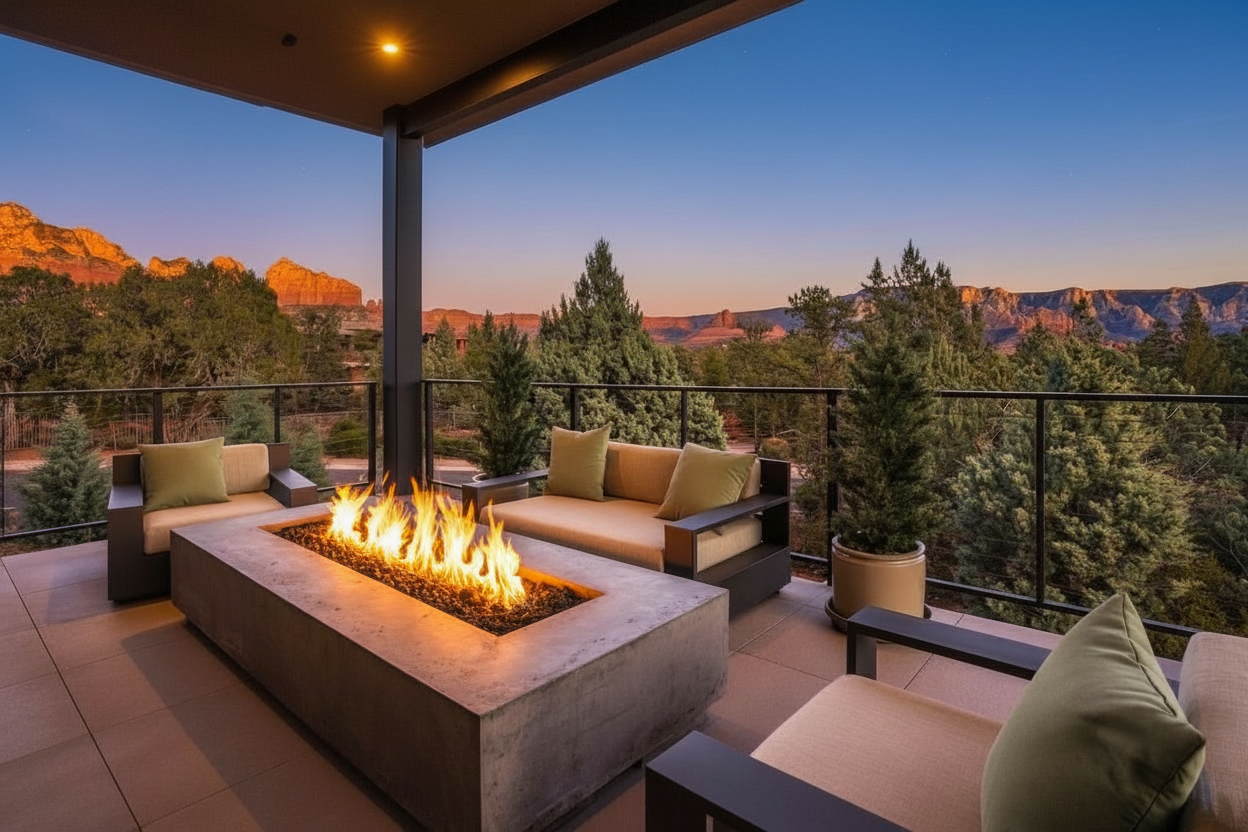
Why the Best Stays Feel Seamless
When a stay goes well, you don't think about everything that could have gone wrong. That's the point.
Seamlessness isn't the absence of problems. It's the presence of systems — and people — who anticipated them.
The home was checked before you arrived. The pricing was transparent from the start. The communication was clear and responsive. The space looked like the photos, felt like the description, and functioned the way a well-maintained home should.
Nothing went wrong because someone made sure nothing would.
That's not luck. That's a standard. And it's a standard that should be expected — not hoped for.
Closing the Gap Between Expectation and Reality
Paragon Luxury Stays exists for a specific reason: to remove the distance between what a guest expects and what they experience.
Every home in the collection is selected, prepared, and supported with one commitment — that the stay will match the promise. That the photos are accurate.
That the pricing is clear. That the space is maintained to a standard the guest can rely on.
That communication is responsive. That support is present. That the experience, from the moment of booking to the moment of departure, feels intentional, consistent, and worthy of the trip you planned.
Because the hidden cost of a disappointing rental isn't the money. It's the trip you were counting on.
And that's not something anyone should have to leave to chance.
Explore Paragon Luxury Stays — where every stay is held to the standard your trip deserves.